
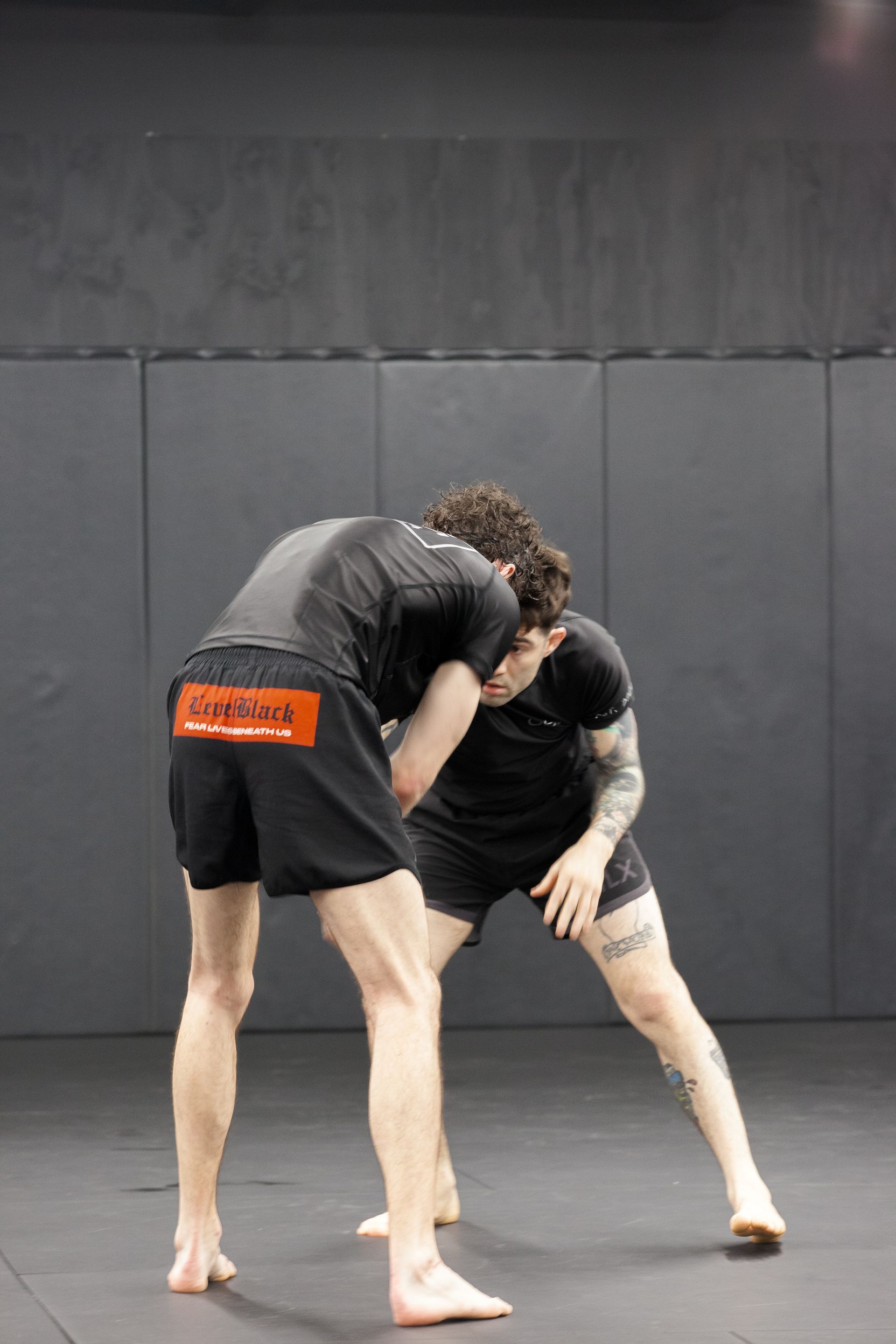
Grappling gives young athletes a safer, skill-first way to build confidence, composure, and real competitive ability.
Youth sports in Bridgeport are changing, and we see it every week on the mats. More families want an activity that builds toughness without relying on big hits, expensive gear, or constant pressure to specialize too early. Grappling fits that moment because it rewards calm decision-making and technique, not just size or speed.
What makes Grappling different for youth is that we can scale it intelligently. We can start with breathing, grips, posture, and simple positioning, then layer in movement and pressure in a controlled way. In other words, you can grow into the intensity instead of getting thrown into it.
Bridgeport also has a real athletics pathway forming around the sport. With wrestling opportunities expanding and more structured competition available in the region, Grappling is no longer a niche activity. It is becoming a legitimate pillar inside youth sports development, and we build our training around that reality.
What Grappling really is, and why it works for kids
When people hear Grappling, some picture nonstop chaos on the ground. The truth is more technical and, for youth athletes, more teachable. Grappling includes submission grappling and wrestling concepts like balance, control, positioning, and transitions. Because we are not leading with striking, we can focus on fundamentals that translate directly into athletic development.
A big reason it works is the feedback loop. If your base is off, you feel it immediately. If your grips are sloppy, you lose connection. If your breathing gets frantic, your decision-making falls apart. That kind of honest feedback builds athletes who can adjust fast.
For parents, the practical upside is simple: we can push effort without needing reckless contact. We coach control first, then intensity. The sport still demands grit, but it rewards the kind of grit you can train safely.
Control beats chaos: the youth-friendly advantage
In many sports, the hardest part for kids is staying composed when things speed up. In Grappling, we train composure directly. We teach your child how to carry pressure, how to escape safely, and how to improve position step by step. That structure reduces panic and replaces it with problem-solving.
We also teach the idea that being “stuck” is not the end of the world. There is almost always a next decision: frame, hip escape, recover guard, stand back up, reset. That mindset shows up off the mats, too, especially for students juggling school, social pressure, and expectations.
Why Bridgeport youth programs are shifting toward Grappling right now
This shift is not random. Families are paying attention to injury risk, burnout, and whether a sport builds transferable skills. Grappling checks a lot of boxes, especially in a city where athletes often play multiple sports and need something that supports, not competes with, their overall development.
It also helps that the local and national landscape is expanding. Female wrestling participation has skyrocketed nationally, climbing from just 804 participants in 1994 to over 50,000 in 2024, and Connecticut is among the states that sanction it. When a sport grows that fast, youth programs follow because opportunity follows.
Bridgeport has momentum on the college side as well. The University of Bridgeport launching a women’s Division II wrestling program starting in fall 2025 signals something important: grappling-based sports are becoming a clearer path, not just a hobby. And at the high school level, Bridgeport’s Central High School has a wrestling culture that supports recruiting to college, which matters for families thinking longer-term.
Our skill progression: how beginners start without feeling overwhelmed
A common concern we hear is, “What if my kid gets thrown into live rounds on day one?” That is not how we run training. We use a structured progression that starts with manageable pieces, then builds toward realistic intensity.
In our novice phase, which typically covers 0 to 2 years of experience, we focus heavily on overload management. That means we control pace, we teach survival positions, and we build habits that keep students composed. We want your child to feel challenged, but not lost.
As athletes progress, we raise the pace, add standing skills, and expand the problem set. We also reassess regularly. A useful benchmark is that consistent training can show noticeable improvement in 8 to 12 weeks, especially once students begin applying skills in live training with guidance and boundaries.
What “controlled live training” actually means
Live training does not have to mean reckless. We can set constraints: start from a specific position, limit the goal, slow the pace, or pair students by size and experience. That lets kids learn how real resistance feels without turning every round into a scramble-fest.
We also coach the in-between moments, not just the final submission or takedown. Where are your hands? Are your elbows safe? Is your head positioned well? Are you breathing? Those details sound small, but they are where safety and performance live.
The athletic benefits that carry into every sport
Even if your child never competes, Grappling builds a kind of athleticism that transfers. We are teaching coordination, hip movement, core control, and balance under pressure. Those qualities show up in soccer, basketball, football, track, and pretty much anything involving contact, cuts, or body control.
We also develop “useful strength.” Not just lifting strength, but grip endurance, posture strength, and the ability to produce force while staying stable. That is the difference between being strong in a weight room and being strong in motion.
Here are a few benefits families tend to notice first:
• Better body awareness, especially balance and how to fall, base, and recover safely
• Improved conditioning from rounds that train both effort and recovery pacing
• More composure under pressure, because students learn to think while tired
• Stronger coachability, since progress comes from repetition and details
• A healthier relationship with competition, because losing a position becomes a lesson, not a disaster
Why Grappling is especially impactful for girls in Bridgeport
We want to speak directly to the growth we are seeing with girls in the sport. The national participation trend is real, and it is not slowing down. As more states sanction wrestling and more colleges invest in women’s programs, the “why” becomes obvious: opportunity is expanding, and the training builds confidence that feels earned.
On the mat, strength matters, but timing and positioning matter more. That is a powerful message for young athletes who may not feel like the biggest or loudest person in the room. We teach leverage, angles, and control, and students quickly realize they can solve problems with technique.
There is also something reassuring about having a system. When pressure shows up, you do not need to guess. You have frames, posture, and escapes you can rely on. That reliability is a big part of why Grappling is sticking as a long-term sport for so many girls right now.
Competition in the area: why it motivates, even if you never compete
Competition is optional in our culture, but we understand why it matters. Having a date on the calendar can sharpen focus. It can also make training feel more real, because you are building toward a clear test.
Locally, events like NAGA Connecticut II include adult divisions such as No-Gi Novice categories, which shows the region has an active competition scene. While adult brackets are not youth brackets, that competitive presence matters because it signals a healthy ecosystem: coaches, rulesets, progression, and a community that takes Grappling seriously.
For youth athletes, the best part of preparing for competition is not the medal. It is learning how to manage nerves, how to stick to a plan, and how to bounce back after a tough round. Those skills are useful far beyond sports.
How we measure progress (without guessing)
We like clear checkpoints because motivation grows when progress is visible. A simple and practical timeline is 8 to 12 weeks of consistent attendance. In that span, most students improve their base, recognize common positions faster, and stop panicking when pinned or pressured.
We also use live training as a reality check, not a punishment. If something works in drilling but falls apart live, we adjust. That is how you build skills that hold up when the pace changes.
Youth training vs adult training: what changes, what stays the same
We coach youth and adults with the same respect for fundamentals, but the emphasis shifts. With kids, our job is to build a foundation that lasts: movement quality, safety habits, and decision-making. With adults, intensity and specificity can ramp faster, especially for students pursuing adult submission grappling in Bridgeport competition divisions.
What stays consistent is our belief in progression over randomness. We do not bounce from flashy move to flashy move. We build a game that makes sense, connecting standing entries to ground control so students understand the “why” behind each choice.
If you are a parent who also wants to train, that is a real advantage. Many families like the shared language: grips, base, escapes, and pressure. And if you are looking specifically for submission grappling in Bridgeport that takes both youth development and adult goals seriously, our structure is designed to handle both without mixing priorities.
How to start strong: the first month done right
The early phase sets the tone. When kids start well, they stay consistent. When they start overwhelmed, they drift. We aim for the first month to feel challenging but clear.
Here is the approach we recommend for a strong start:
1. Show up consistently, even if it is just two days a week, because repetition beats occasional intensity
2. Focus on survival skills first: posture, frames, hip escape, and safe movement
3. Treat tapping as smart feedback, not failure, so learning stays fast and injury risk stays low
4. Ask us questions after class so we can connect what you saw to the next step in the program
5. Track small wins like breathing calmer or escaping once more per round, because that is real progress
That first month is where Grappling starts to “click.” Kids begin to recognize positions instead of reacting late, and confidence becomes steady, not performative.
Take the Next Step
Building a strong youth athlete in Bridgeport is not just about adding another activity, it is about choosing a sport that teaches composure, control, and real problem-solving under pressure. That is why we built our programs the way we did, with clear progressions from foundations to standing skills and live training that stays structured.
If you want a place where Grappling is taught with a plan, and where youth training connects to the bigger opportunities growing in our area, we would love to help you get started at Connecticut Submission Grappling.
Move from learning to live training and join a grappling class at Connecticut Submission Grappling today.