
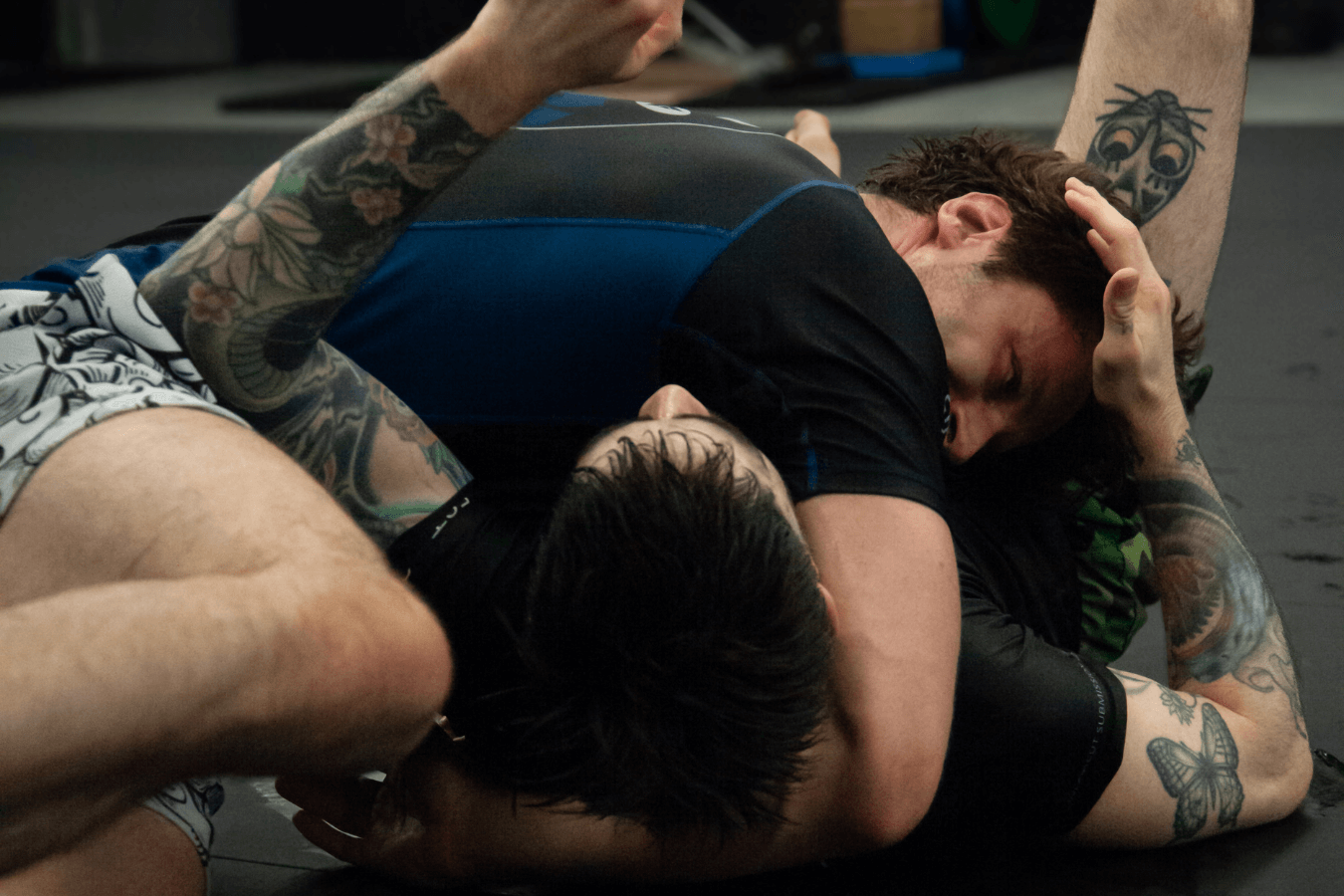
Grappling is one of the few workouts that trains your whole body and your mind at the same time, so fat loss stops feeling like a chore.
If you want weight loss that actually sticks, the biggest hurdle is usually consistency, not willpower. We see it all the time: people start with good intentions, then boredom or a “nothing’s changing” feeling creeps in, and the routine fades out.
Grappling changes that because every class has a purpose. You’re learning positions, timing, balance, and control while your heart rate climbs and your muscles get worked from angles that regular gym training rarely hits. In Bridgeport, that mix matters, because you can get stronger, leaner, and more athletic without needing to live on a treadmill.
In this guide, we’ll break down how Grappling supports weight loss, what a realistic training week looks like, how to fuel your progress, and what to avoid if you’re tempted by extreme “weight cutting” tactics.
Why Grappling works for weight loss (even if you hate typical cardio)
Most “cardio plans” fail because they feel repetitive and disconnected from real progress. With Grappling, you’re not just burning calories, you’re solving problems under pressure: escaping bad spots, improving leverage, and learning how to stay calm while working hard.
From a fitness standpoint, Grappling checks the big boxes that drive sustainable body recomposition:
You get high-energy output intervals. Drilling and live rounds naturally create bursts of effort followed by short rests, similar to interval training. That pattern is effective for fat loss because it pushes your conditioning without requiring you to stare at a clock.
You build muscle while you move. Holding frames, fighting grips, bridging, standing up from the floor, and finishing takedowns all demand strength. More lean mass supports a higher resting metabolism and usually makes people feel better in daily life, too, like carrying groceries or climbing stairs without that “why am I winded” moment.
You train your core the real way. Instead of endless crunches, your trunk works to stabilize while you rotate, resist, and transfer force. Over time, our students typically notice better posture, better balance, and a stronger midsection that shows up in how clothes fit.
You keep showing up because the learning is addictive. When you can measure progress in skill, not just the scale, it’s easier to stay consistent long enough for fat loss to happen.
What you can expect in adult classes focused on weight loss
A lot of adults come in thinking they have to “get in shape first.” We’d rather you start where you are and let training shape the fitness. Our adult sessions are structured so you can work hard without feeling thrown into the deep end.
A typical class usually includes:
A warmup that prepares your joints and breathing for real movement, not random fatigue for its own sake. You’ll move on the mat, practice getting up and down safely, and wake up the muscles you’re about to use.
Technique and positional training where we teach you how to control space and manage pressure. This is where you learn the “why” behind the movement, which keeps your progress steady.
Drilling and partner work where you repeat the skill enough times to make it natural. This is also where a lot of calorie burn happens, because the pace builds.
Live rounds or controlled sparring based on experience level. You’ll work, rest, and work again, which drives conditioning quickly.
If your goal is weight loss, our coaching focus stays practical: train hard, stay safe, and keep improving without wrecking your recovery.
Grappling calories burned: the honest answer
People ask how many calories they’ll burn in Grappling, and we get it. You want a number. The truth is it depends on your current fitness, how hard you roll, how many rounds you do, and even how efficient your technique is.
Early on, you often burn more because you’re learning to relax. New students tense up and fight everything, which is exhausting. Over time, you become more efficient, but the room to push intensity also grows because you can do more rounds and handle tougher positions.
Instead of chasing a single calorie estimate, we recommend tracking progress in ways that reflect real change:
How many rounds you can complete without gassing out
How quickly your breathing recovers between rounds
Whether you’re stronger in key movements like bridges, standups, and grip fighting
How your body feels the next day: sore in a “trained” way, not broken
Those markers line up with fat loss and strength gains, and they’re often more motivating than a scale that fluctuates.
A simple weekly plan for fat loss without burning out
The best plan is the one you can repeat for months. For most adults, that means a schedule that supports recovery, sleep, and a real life outside the mats.
Here’s a practical approach we see work well for adult submission grappling in Bridgeport:
1. Train Grappling two to four days per week based on your starting point. Two days builds momentum, three is a sweet spot for many people, and four is great if recovery and sleep are solid.
2. Add one to two low-impact days like walking, mobility work, or easy cycling. This helps fat loss without beating up your joints.
3. Strength train one to two days per week if your schedule allows, focusing on big basics like squats or hinges, pushing, pulling, and loaded carries. Keep it simple and consistent.
4. Take at least one full rest day. Rest is training, especially when you want to lose fat and keep strength.
5. Reassess every four weeks. If you feel flat, cranky, or constantly sore, pull back slightly and let your body catch up.
This isn’t flashy, but it’s the kind of plan that actually works for adults with jobs, families, and stress.
Nutrition that supports Grappling and steady weight loss
Fat loss comes down to consistent habits. We don’t push gimmicks, and we don’t want you starving through training. If you underfuel, you’ll feel weaker, recover slower, and eventually skip sessions.
A few nutrition guidelines that pair well with Grappling:
Prioritize protein at most meals. Protein supports recovery and helps you keep muscle while you lose fat. If you’re not sure where to start, begin by adding a solid protein source to breakfast and lunch.
Time carbs around training if you can. Many people feel better eating carbs before and after class, then keeping other meals more balanced. It’s not magic, it just helps performance and recovery.
Hydrate like it matters, because it does. Dehydration makes training feel harder and can spike fatigue fast. Aim to drink consistently during the day, not just right before class.
Keep it sustainable. If you “diet” in a way you hate, it usually ends with a rebound. We want you training six months from now, not just two weeks.
Weight cutting vs healthy weight loss: what adults should know
Grappling sports have a long history of rapid weight loss before competition. Athletes in wrestling, BJJ, and MMA often cut two to ten percent of body mass in the days before weigh-ins to enter a lower weight class. Research links aggressive rapid cuts with hormonal shifts, elevated cortisol, increased anxiety, drops in testosterone and albumin, and markers of muscle damage and dehydration stress.
That might be a strategic decision for high-level competition, but for most adults, it’s not worth the cost.
We take a safer, long-term view. Gradual weight loss over weeks tends to preserve muscle function and reduce risk. Recent trends even show a “hybrid” approach becoming more common: a gradual cut over two to seven weeks, followed by only a limited reduction in the final seventy two hours, rather than extreme dehydration tactics.
If you’re training for fitness, you can skip the whole weigh-in mindset and focus on what actually changes your body:
Consistent classes
Reasonable nutrition
Good sleep
Progressive intensity over time
If you’re preparing for an event, we’ll talk through realistic goals so you’re not sacrificing health for a number on a scale.
What Grappling builds besides weight loss
Weight loss is a great goal, but most people stay because of what changes on the inside. Grappling has a way of sharpening things you didn’t expect to improve.
You get calmer under pressure. Being stuck in a tough position teaches you to breathe, think, and move. That skill carries into work stress and daily life.
You build confidence that feels earned. You don’t get it from hype. You get it from showing up, learning, and solving hard problems.
You improve mobility in a practical way. Getting up from the floor, moving your hips, rotating through your spine, and controlling your base can make your whole body feel more capable.
You find community without the awkwardness. Classes naturally create training partners, accountability, and familiar faces. It’s hard to drift away when people notice you’re missing.
Common questions we hear in Bridgeport
Is Grappling good for beginners who want to lose weight?
Yes. We coach beginners every week, and we scale intensity so you can work hard safely. You don’t need prior experience, and you don’t need to be “in shape” before starting.
How fast will I lose weight?
That depends on your nutrition, training frequency, sleep, and stress. Many adults notice better stamina and body composition changes within a month, with steadier fat loss over two to three months when consistency stays high.
Do I have to compete?
No. You can train purely for fitness, skills, and confidence. Competing is optional.
What if I’m worried about injuries?
Smart coaching and controlled training matter. We emphasize technique, gradual progression, and partner safety, especially in adult classes.
Take the Next Step
If you want a plan that helps you lose weight while building real strength, Grappling gives you a path that stays interesting and measurable. You’ll sweat, you’ll learn, and you’ll get stronger in ways that show up both on and off the mats, without chasing extreme shortcuts.
When you’re ready, we’ll help you plug into a routine that fits your goals and your schedule at Connecticut Submission Grappling, with coaching that keeps the focus on sustainable progress in Bridgeport.
Improve your strength, endurance, and confidence through grappling training at Connecticut Submission Grappling.