
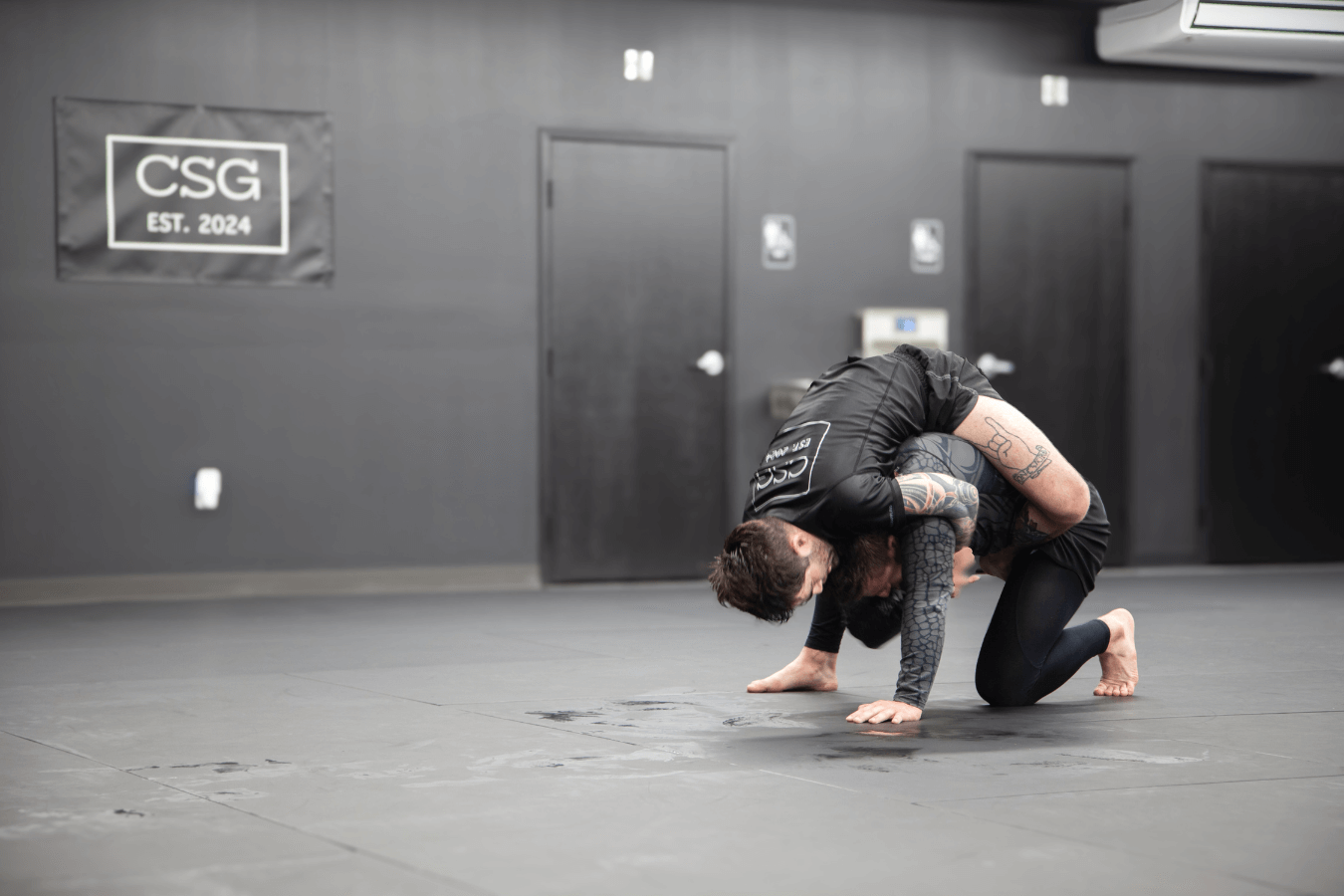
Your first night on the mats should feel structured, safe, and surprisingly doable, even if you have zero experience.
Walking into your first Grappling class can feel like stepping into a new world: new rules, new vocabulary, and a lot of movement that looks like a puzzle you have not learned yet. That is normal. We built our beginner experience in Bridgeport to be clear, coached, and paced so you can focus on learning instead of guessing what to do next.
If you are looking for a practical skill that improves fitness, confidence, and problem-solving under pressure, Grappling delivers in a way most workouts do not. You will sweat, you will think, and you will leave with specific techniques you can remember, not just a vague sense that you exercised.
Why Grappling is beginner-friendly (when it is taught the right way)
A lot of people assume Grappling is only for natural athletes or lifelong martial artists. In reality, beginners often make faster progress than they expect because the early wins are simple: better posture, better balance, better breathing, and a basic understanding of where your arms and legs should be.
Our approach is to make the learning curve feel less like a cliff and more like a ramp. We emphasize control first, then speed. We coach you through what to do, why you are doing it, and how to keep your training partner safe while you learn. That last part matters, because safe training is what lets you come back consistently, and consistency is what changes everything.
What to wear to your first class
Most first-timers worry about gear more than they need to. You do not have to show up looking like you have trained for years. You just need clothing that lets you move and that will not snag, slide, or expose more than you intended once you start scrambling.
For your first session, we recommend:
- A fitted athletic shirt or rashguard-style top that stays in place during movement
- Athletic shorts without pockets or zippers, or fitted training leggings
- A water bottle and a small towel, because you will use both
- A mouthguard if you already have one, especially if it helps you relax
- Slides or sandals for off the mat, so you are not walking barefoot in common areas
If you are not sure what our program uses on a given day, check the class schedule page on the website before you come in. We keep it straightforward, and we will help you get oriented when you arrive.
When you arrive: the first 10 minutes
Plan to arrive about 10 to 15 minutes early. That buffer gives you time to breathe, meet us, and get your bearings without feeling rushed. We will point you where to stash your bag, where to line up, and how class starts.
You will also notice the vibe right away: focused, but not tense. People are there to train hard and improve, and beginners are part of the normal flow. If you have an old shoulder issue, a cranky knee, or anything else, tell us before class. We can scale drills and guide you toward positions that reduce strain while you build strength and mobility.
Class structure: what a typical session looks like
Beginners tend to relax as soon as they realize class is organized. We do not just throw you into sparring and hope it works out. A typical session has a rhythm, and once you feel it, the nerves drop.
Warm-up that actually prepares you
Our warm-ups are not random calisthenics. We use movement that connects directly to Grappling: how to shrimp, how to bridge, how to stand up with balance, how to move your hips without burning out your lower back. You will get warm, but you will also get more coordinated, which is the real goal.
Expect some controlled partner movement early on too. It helps you get comfortable with contact in a way that feels safe and guided.
Technique of the day: one theme, taught in layers
We usually teach around a central concept, then build a few options around it. For example, we might focus on controlling distance from guard, maintaining top pressure, or escaping a common pin. You will see the move, then we will break it into steps, then you will drill it with a partner.
We are big on details that make techniques work for real people, not just flexible teenagers. Where your head goes, where your hips go, when to grip, when to let go, and how to keep your base so you do not topple over. Those small adjustments are often what make Grappling click.
Drilling: where you start to own the move
Drilling is the part that turns information into skill. You will repeat the technique with a partner at a controlled pace. Beginners sometimes worry they are doing it wrong. That is fine, because drilling is exactly where we correct it.
We will coach you to:
- Move smoothly instead of muscling through positions
- Use leverage and alignment so you waste less energy
- Keep your partner safe by applying pressure gradually
- Reset and repeat so you get multiple quality reps
This is also where friendships start, honestly. You learn someone’s name, you laugh when you both get tangled up, and then you get one clean rep and it feels great.
Will you spar on day one?
Sometimes, yes, but not always, and never in a way that feels like you are being thrown to the wolves. If we include live training, we keep it controlled and beginner-appropriate.
You might do positional rounds, where you start in a specific spot like side control or closed guard and work on one goal, like escaping or maintaining the position. That approach teaches you how to problem-solve without the chaos of a totally open round.
If you do full rolling, we will pair you with someone who can keep it technical and calm. You can also opt out while you learn the basics. We want you training next week, not limping into your car thinking you made a mistake.
What “tapping” means and why it is a skill
Tapping is how we keep training safe. If a joint lock is on, or a choke is tight, you tap your partner or the mat, and the other person immediately releases. No debate. No ego. It is a clean signal.
We will remind you of a few rules that make your first Grappling experience safer:
- Tap early, especially while you are learning what a submission feels like
- If you feel stuck or panicked, tap and reset, then ask what happened
- When your partner taps, let go right away and reset with control
- Never crank or yank submissions, even if you think you have it
People sometimes feel weird about tapping at first, like it means they lost. In training, it means you learned and you stayed healthy enough to keep learning.
Gym etiquette that keeps the room safe and respectful
Grappling is close-contact training, so hygiene and mat culture matter. We keep standards because it protects everyone and makes the room feel comfortable.
Here is what we expect (and what you can expect from us too):
- Come in clean, with trimmed nails and fresh training clothes
- No shoes on the mat, and no bare feet in bathrooms
- Tell us about injuries before class, not halfway through a round
- Keep conversations brief during instruction so everyone can learn
- Respect tapping, personal space, and controlled intensity
If you are new, do not overthink this. If you show up ready to learn and you treat people well, you will fit in quickly.
Your first month: what progress really looks like
The first few weeks are about building a base. You will learn positions and names, but the deeper progress is that you start moving with purpose. You stop holding your breath. You learn how to frame, how to keep your elbows in, how to stay balanced. That is real improvement, even if you are not “winning” rounds yet.
We also structure training so that adult beginners can develop steadily. Adult submission grappling in Bridgeport should not feel like you need to be in peak shape before you start. Training is what builds the shape, and we coach you toward sustainable intensity.
A common pattern we see:
1. Week 1: You learn how to move and how to stay safe, and everything feels fast
2. Week 2: You start recognizing positions, and you remember one or two escapes
3. Week 3: You begin linking techniques, like escape to guard, guard to sweep
4. Week 4: You feel calmer in bad spots, and your gas tank improves noticeably
5. Month 2 and beyond: You develop a style that fits your body and your goals
If your goal is submission grappling in Bridgeport for fitness, stress relief, or skill building, that steady arc matters more than any single class.
How we help beginners feel comfortable without watering things down
We take you seriously from day one, even as a beginner. That means we coach fundamentals, but we do not talk down to you. We explain what matters, we keep you safe, and we give you real techniques that hold up when pressure increases.
We also give you permission to learn at your pace. Some people love live rounds immediately. Some people want a couple weeks of drilling first. Both are normal. Our job is to keep you progressing and to make sure your experience of Grappling is challenging in a good way, not overwhelming.
Questions beginners ask us all the time
Do I need to get in shape before I start?
No. Training is how you build conditioning. You can pace yourself early, and your stamina will improve faster than you expect.
What if I feel awkward with close contact?
That is common at first. We coach boundaries, control, and respectful partners. Comfort comes with repetition, and we do not rush it.
Is Grappling dangerous?
Any contact sport has risk, but smart coaching, controlled intensity, and good tapping culture dramatically reduce it. We prioritize safety and skill development over chaos.
Can I train if I am busy?
Yes. Many adults train around work and family. Check the class schedule on the website and pick a realistic rhythm you can maintain.
Ready to Begin
If you want a clear, beginner-friendly path into Grappling, we built our program to guide you from day one fundamentals to confident live training, without the pressure to already know what you are doing. The goal is not to survive your first class, it is to leave understanding what you practiced and how to build on it next time.
When you are ready to experience adult submission grappling in Bridgeport with structured coaching and a supportive room, you can start here with us at Connecticut Submission Grappling and let that first class be the beginning of something steady and rewarding.
New to grappling? Start your journey by joining a class at Connecticut Submission Grappling.